


 Editorial Team
 04 November 2026
Last Updated: November 4, 2026


Quick Summary
Natural ways to boost immune resilience center on daily habits: a varied, nutrient-dense diet, seven to nine hours of sleep, regular brisk walking, stress management, hydration, and good hygiene. Supplements mainly help correct documented deficiencies, so skip routine megadoses and seek clinician guidance when testing makes sense.
- Adults generally need seven to nine hours of sleep, and chronic shortfall drains immune function.
- Walk briskly for 20-30 minutes most days to support immune function.
- Supplements are most useful for correcting a documented deficiency, not for routine megadosing.
- A weekly log of sleep hours, movement days, and vegetable servings tracks progress better than wearable scores.
- Seek care promptly for persistent fever, breathing difficulty, or symptoms lasting beyond about ten days.
Table of Contents
- What Immune Resilience Actually Means
- Immune System Booster Foods: Building a Balanced Diet
- Sleep, Stress, and Movement: The Habits That Do the Heavy Lifting
- What Can I Drink to Boost My Immune System?
- Supplements to Boost Immune System Support: What the Evidence Shows
- How Can I Boost My Immune System in 24 Hours?
- Hygiene, Vaccination, and Other Evidence-Based Infection Prevention
- How to Evaluate Progress and When to Seek Care
- Building Your Daily Immune Resilience Routine with ManukaGuard
- Frequently Asked Questions
What Immune Resilience Actually Means
Immune resilience is the body's capacity to maintain steady immune function and respond appropriately to infections, stress, and seasonal challenges without constant disruption. It is not a single switch you flip; it is a system you support through daily habits. This guide covers natural ways to boost immune resilience with practical steps you can actually keep. For the deeper science of how manuka honey supports immunity, read The Complete Guide to Manuka Honey Immune System Support.
Here is the honest starting point most guides skip: no diet, vitamin, or herbal preparation has been shown to produce a near-perfect immune system. Harvard Health's review of immune function research describes researchers as exploring how diet, exercise, age, and psychological stress affect immune response, not as having found a proven method to supercharge it.
What Lifestyle Changes Can and Cannot Do
Lifestyle changes can support normal immune function and reduce the strain that poor sleep, chronic stress, and nutrient gaps place on it. They cannot guarantee you will never get sick. A 2018 review on resilience and immunity frames lifestyle support as a direction for resilience research, which is exactly the right expectation: supportive, not miraculous.
Immune System Booster Foods: Building a Balanced Diet
The best-supported dietary pattern for immune health is a varied, nutrient-dense diet built on whole foods. A 2023 review of foods associated with immune support examined citrus fruits, berries, leafy greens, garlic, and similar foods rich in nutrients, antioxidants, and bioactive compounds.
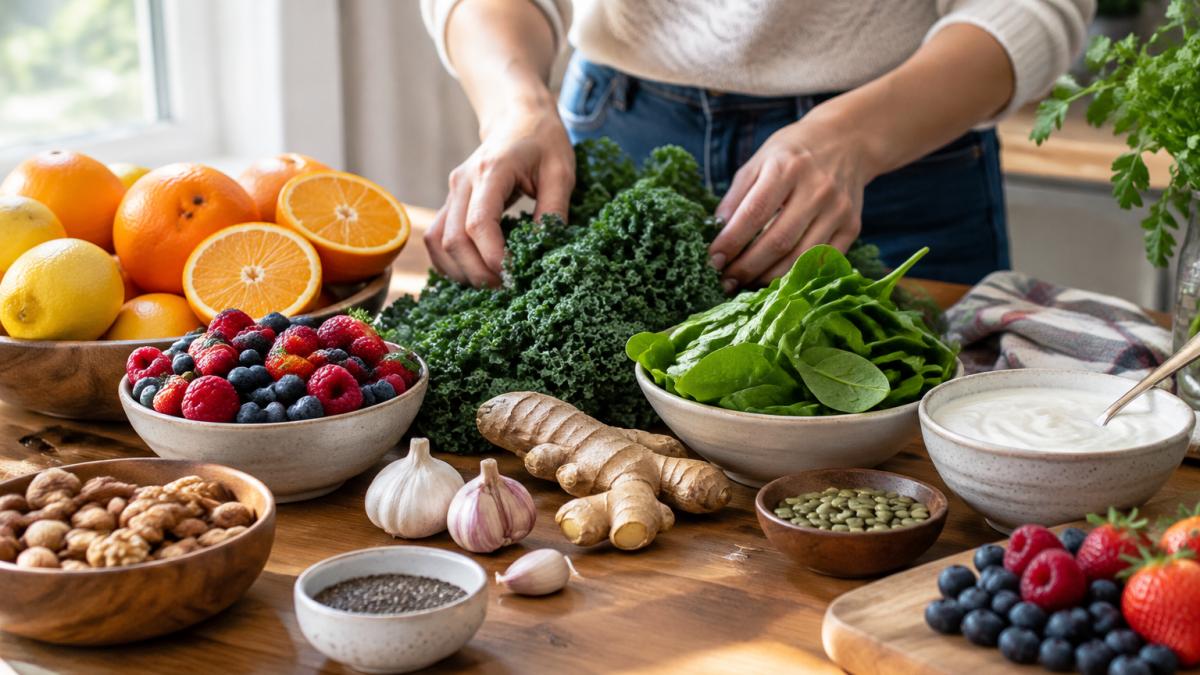
Build meals around these categories:
- Citrus fruits and berries: vitamin C and polyphenols
- Leafy greens: beta carotene and folate
- Garlic and ginger: traditional aromatics with bioactive compounds
- Yogurt and fermented foods: live cultures for gut support
- Nuts, seeds, and whole grains: zinc, selenium, and fiber
- Lean proteins: the building blocks immune cells need
A Mediterranean-style pattern ties these together. If you want to buy a lab-tested option for your daily routine, you can shop medical-grade manuka honey with verified MGO levels.
Fruits, Vegetables, and Key Nutrients
Aim for variety rather than a single "superfood." Different colors deliver different micronutrients, and a 2023 review of plant- and fungi-derived bioactive compounds linked polyphenols, beta-glucans, and vitamins to immune-supporting properties. Frozen produce counts, and so does canned fruit in juice.
Sleep, Stress, and Movement: The Habits That Do the Heavy Lifting
Sleep, stress management, and regular physical activity do more for immune function than any supplement aisle purchase. Adults generally need seven to nine hours of sleep, and chronic shortfall is widely discussed as a drain on immune function.
Practical habits to consider:
- Keep a consistent sleep and wake time, weekends included.
- Walk briskly for 20-30 minutes most days; regular exercise supports immune function.
- Use a simple stress reset: five minutes of slow breathing before bed.
- Moderate alcohol and avoid tobacco entirely.
- Maintain a healthy weight through the same diet and movement habits above.
None of this is glamorous. All of it is the foundation.
What Can I Drink to Boost My Immune System?
Water first, then thoughtful additions. Hydration supports the mucous membranes that line your nose and throat, and clear, hydrated nasal passages are part of normal immune defense. Beyond water, unsweetened tea, broth, and citrus-infused water are sensible choices.
What to skip: sugary drinks and heavy alcohol, which work against the goal. A common mistake is chasing a "magic" tonic. In practice, the drink that helps most is the boring one you actually consume consistently through the day.
Supplements to Boost Immune System Support: What the Evidence Shows
Supplements are often marketed for immune health, and the evidence is narrower than that marketing suggests: they are most useful for correcting a documented deficiency. That distinction matters because most adults who eat a varied diet are not deficient in the nutrients most often pitched for immunity. Correcting a deficiency is more useful than taking extra nutrients without a clear need, and the same emphasis on everyday habits can help boost skin immunity.
The three nutrients that come up most often are vitamin D, zinc, and vitamin C, and each has a different evidence story:
- Vitamin D: Low blood levels are common in people with limited sun exposure, darker skin living at higher latitudes, older adults, and people who cover up or stay indoors. A clinician can order a 25-hydroxyvitamin D test, and correction of a low level is the scenario where supplementation has the clearest rationale. Routine high-dose supplementation in people with normal levels is not supported as an immune booster.
- Zinc: Zinc plays a role in normal immune cell function. Long-term high-dose zinc can interfere with copper absorption and cause nausea, so it is not a nutrient to megadose.
- Vitamin C: Severe deficiency impairs immune function, and it is most relevant for people with low fruit and vegetable intake.
Other nutrients with immune roles include selenium, iron, folate, and vitamin B12. Iron and B12 deficiencies are more common in people with restricted diets, heavy menstrual bleeding, or certain chronic conditions, and they should be identified by testing rather than guessed at.
When Testing or Clinician Guidance Makes Sense
A common pattern is to start with a conversation rather than a supplement. Testing is reasonable when there are risk factors for deficiency, when symptoms suggest one, or when a person is considering long-term high-dose use. A clinician can also check for interactions: high-dose vitamin D and calcium affect kidney and cardiovascular risk in some people, zinc competes with copper and certain antibiotics, and some herbal products interact with blood thinners, immunosuppressants, and blood pressure medications.
Watch out: megadoses are not a shortcut to a stronger immune system. Very high doses of vitamin C can cause digestive upset, high-dose zinc can cause copper deficiency over time, and fat-soluble vitamins like A and D accumulate in the body and can reach toxic levels. More is not better.
A Sensible Supplement Stance
Use supplements as a targeted tool, not a substitute for food, sleep, and movement. If you want to weigh a natural option with published research behind it, our review of medical-grade manuka honey evidence walks through what the studies actually show. The practical rule: correct deficiencies with clinician guidance, skip routine megadoses, and treat any product promising a dramatically stronger immune system with skepticism.
Everyday Immune Cleanse Nasal Spray, Medical Grade Manuka Honey →


How Can I Boost My Immune System in 24 Hours?
You cannot rebuild immune resilience in a day, and any page promising otherwise is selling something. What you can do in 24 hours is remove the biggest immediate drains on normal immune function and set up the habits that compound over weeks. The honest framing is that a single day is a starting point, not a transformation.
A simple one-day reset might look like this:
| Time | Action | Why It Helps |
|---|---|---|
| Morning | 20-minute brisk walk outdoors | Supports circulation and stress relief |
| Midday | Plate with vegetables, fruit, and lean protein | Delivers key micronutrients |
| Afternoon | Swap soda for water | Supports hydration and mucous membranes |
| Evening | Screens off 60 minutes before bed | Improves sleep quality |
| Night | 7-9 hours of sleep | Core recovery window |
One day will not transform your immune function. A week of these days starts to compound.
Turning One Day Into a Sustainable Week
The gap most guides leave is what happens on day two. A sample week that builds on the one-day reset might look like this:
- Monday: Walk after lunch; add a serving of leafy greens to dinner.
- Tuesday: Keep the same sleep and wake time; swap one sugary drink for water.
- Wednesday: Add berries or citrus to breakfast; take a five-minute breathing break before bed.
- Thursday: Repeat the walk; include a fermented food such as yogurt at lunch.
- Friday: Plan next week's meals around vegetables, fruit, and lean protein.
- Weekend: Protect sleep timing even with a looser schedule; prep a batch of vegetables for the week.
Habit-building guidance that holds up: start with one habit, attach it to something you already do, and add the next only when the first feels automatic. A weekly log of sleep hours, movement days, and vegetable servings tells you more than any wearable score, and it costs nothing.
Low-Cost, Practical Options
Immune-supportive habits do not require specialty products. Frozen vegetables and fruit are as nutritious as fresh and often cheaper. Canned beans, eggs, oats, and plain yogurt cover protein and micronutrients at low cost. Walking is free, and a consistent sleep schedule costs nothing. For people with limited food access or mobility, the same principles apply with what is available: canned or frozen produce, chair-based movement, and a consistent rest routine.
Watch out: a single day of perfect habits does not offset weeks of chronic sleep shortfall, heavy drinking, or smoking. The goal is consistency over time, not a heroic 24 hours followed by a return to old patterns.
Hygiene, Vaccination, and Other Evidence-Based Infection Prevention
Handwashing, covering coughs, and staying current on recommended vaccines remain the most reliable infection-prevention tools available. Good hygiene reduces the germs your immune system has to fight; vaccination trains it in advance. These are not glamorous, and they work.
For daily nasal care during cold and flu season, you can browse the everyday immune cleanse nasal spray. Watch out: nasal products are not a substitute for medical care if symptoms are severe or persistent.

How to Evaluate Progress and When to Seek Care
Track habits, not symptoms. A simple weekly log of sleep hours, movement days, and vegetable servings tells you more than any wearable score. Expect gradual change over weeks, not days.
Seek care promptly for persistent fever, breathing difficulty, symptoms lasting beyond about ten days, or anything that worries you. Natural support complements medical care; it does not replace it.
Building Your Daily Immune Resilience Routine with ManukaGuard
The throughline of this whole guide is simple: immune resilience is built from unremarkable daily habits, and the products you add should earn their place. At ManukaGuard, we make medical-grade, MGO-certified manuka honey with hive-to-medicine-cabinet traceability, laboratory-tested active compounds, and formulations guided by a clinical leadership team. Our starter pick is immune support manuka honey MGO 100, a straightforward way to add a lab-tested natural option to your morning routine.
Start with one habit this week, then layer in the next. Explore ManukaGuard products to add to your daily immune routine.
Frequently Asked Questions
What is the most powerful natural immune booster?
No single food or habit works as a standalone immune booster. Research reviewed in PubMed Central points to a combination of nutrient-dense foods like citrus fruits, berries, leafy greens, and garlic, along with adequate sleep, regular physical activity, and stress management. Harvard Health notes that researchers are still exploring how diet, exercise, age, and stress affect immune response rather than confirming one proven method. The most reliable approach is a consistent daily pattern that supports immune resilience over time, not a single ingredient.
Can you boost your immune system in 24 hours?
You cannot rebuild immune function overnight, but you can support it quickly. In the short term, prioritize hydration, a full night of sleep, and nutrient-dense meals with fruits and vegetables. Avoiding alcohol and tobacco for a day also removes known stressors on immune health. Real immune resilience builds over weeks and months of consistent healthy habits, not a single day.
Do supplements to boost immune system function actually work?
Supplements help most when they correct a deficiency. Vitamin C, vitamin D, and zinc play roles in normal immune function, and taking them in excess does not provide extra protection. A 2023 review in PubMed Central examined plant- and fungi-derived compounds including polyphenols, beta-glucans, and vitamins for immune-enhancing properties, though it did not report a quantified outcome. Focus on food sources first, and talk to your doctor before adding supplements, especially if you take medication or have a health condition.
What can I drink to boost my immune system?
Water is the most important drink for immune health because hydration supports every system in the body, including the mucous membranes that act as a first line of defense. Herbal teas with ginger or garlic, citrus-infused water, and bone broth are popular options. A 2023 PubMed Central review highlighted foods like citrus fruits and garlic for their nutrient and bioactive compound content. Limit sugary drinks and alcohol, which can work against immune resilience.
How can I tell if my immune system is strong?
There is no single test for a strong immune system. Signs generally include recovering from minor illnesses within a normal timeframe, healing wounds reasonably quickly, and having consistent energy levels. Frequent or prolonged infections, slow wound healing, or constant fatigue can sometimes signal that something is off. If you notice these patterns, see a healthcare provider rather than self-diagnosing. Supporting immune resilience through sleep, diet, and stress management remains the most reliable approach.
Can a weak immune system be restored naturally?
In many cases, immune function can improve when underlying causes are addressed. Poor sleep, chronic stress, nutrient deficiencies, and lack of physical activity all affect immune response. A 2018 PubMed Central review discussed lifestyle changes and treatments intended to support natural immune defenses. Restoring immune resilience typically means fixing those gaps through a balanced diet, regular exercise, adequate rest, and stress management. If you have a diagnosed immune condition, work with your doctor on a plan that fits your situation.
Building immune resilience is a long game, and the products you choose should be as transparent as the habits you keep. ManukaGuard offers MGO-certified, laboratory-tested manuka honey and nasal sprays with full traceability, so you know exactly what you are adding to your routine. Get started with ManukaGuard and support your immune health with products you can verify.


 06.November.2026


