


 Editorial Team
 02 November 2026
Last Updated: November 2, 2026


Quick Summary
Medical grade manuka honey is a sterilized, potency-verified honey standardized to a defined methylglyoxal (MGO) standard and cleared for clinical use, with its best-supported benefits being antibacterial and anti-inflammatory activity. Wound and burn care is where the clinical evidence is strongest, though it works as an adjunct to medical care rather than a replacement.
- Medical-grade honey is sterilized and cleared for wound contact; regular manuka honey is food only.
- MGO measures methylglyoxal in milligrams per kilogram; UMF bundles it with other markers into one rating.
- Never apply food-grade honey to a wound because it is not sterile and its potency varies.
- A typical oral serving is one teaspoon, once or twice daily, and heat should be avoided.
- Premium Medical Grade Manuka Honey MGO 400 costs $69.65 for a single jar.
Table of Contents
- What Makes Medical Grade Manuka Honey Different
- Medical-Grade Manuka Honey vs. Regular Manuka Honey
- The Proven Benefits: Antibacterial and Anti-Inflammatory Activity
- Wound and Burn Healing: The Strongest Evidence
- Sore Throat, Cough, and Oral Health Support
- Digestive Health and Gut Bacteria: What the Research Supports
- Manuka Honey MGO Chart Benefits: Choosing the Right Rating
- How to Use Medical-Grade Manuka Honey
- Manuka Honey Side Effects, Interactions, and Who Should Avoid It
- Choosing a Verified Jar: Labels, Traceability, and Price
- Frequently Asked Questions
What Makes Medical Grade Manuka Honey Different
Medical grade manuka honey is a sterilized, potency-verified honey produced to a defined methylglyoxal standard and cleared for clinical use, not a premium grocery item with a health claim on the label. That distinction is the whole ballgame, and most shoppers never hear it.
At ManukaGuard, we build every product around that clinical standard: MGO-certified, laboratory-tested for active compounds, and traceable from hive to medicine cabinet.
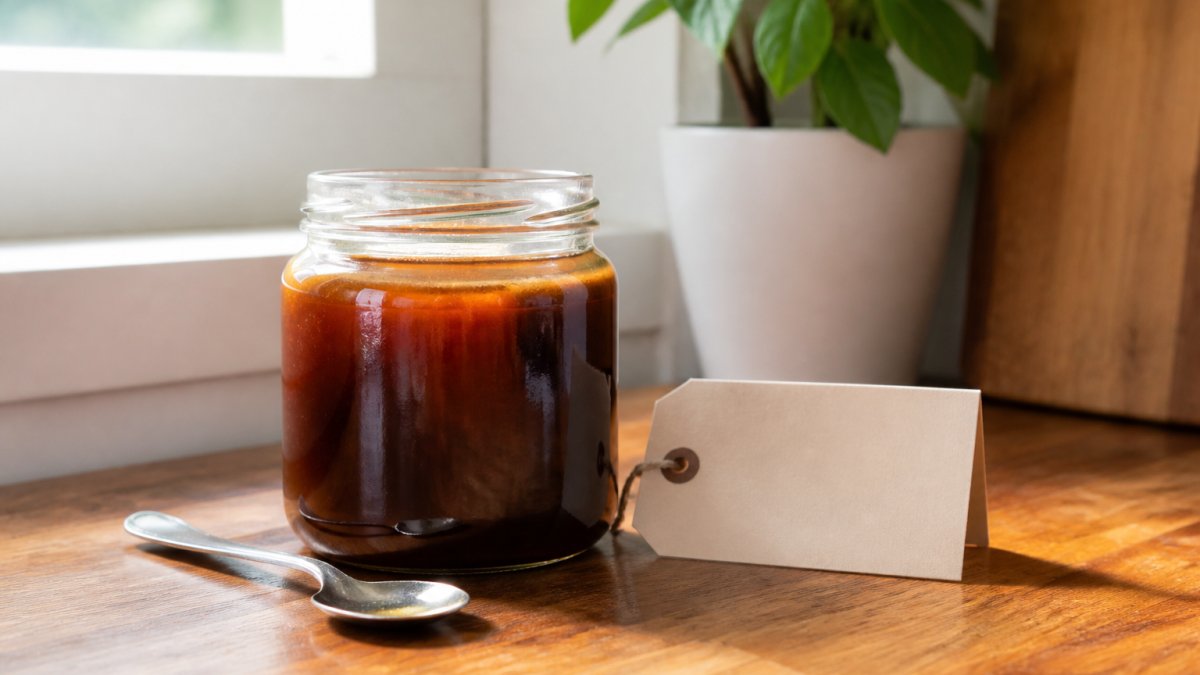
MGO, UMF, and the Grading System Behind the Label
MGO is the concentration of methylglyoxal, the compound responsible for most of manuka honey's antibacterial punch, measured in milligrams per kilogram. UMF is a separate grading system that bundles methylglyoxal with other markers into a single rating.
Higher numbers mean more methylglyoxal, not better honey for every use. Wound care demands far higher potency than everyday eating. The label tells you which you have, if you know how to read it.
Medical-Grade Manuka Honey vs. Regular Manuka Honey
The difference between medical-grade manuka honey and regular manuka honey comes down to three things: sterilization, verified methylglyoxal content, and intended use. Regular manuka honey is food. Medical-grade honey is processed to remove contaminants and standardized so a clinician knows exactly what's in the jar.
Food-grade honey can carry bacterial spores and variable potency, which is fine on toast and unacceptable on an open wound. Reviews of medical-grade honey describe it as a distinct clinical product with antibacterial, antibiofilm, and tissue-regenerative properties, not a stronger version of the same thing (Clinical Significance of Manuka and Medical-Grade Honey for Wound Care).
| Feature | Medical-Grade Manuka | Regular Manuka |
|---|---|---|
| Sterilization | Yes, cleared for wound contact | No |
| Potency verification | Standardized methylglyoxal | Variable |
| Intended use | Clinical and topical | Food only |
| Traceability | Documented batch testing | Often absent |
The Proven Benefits: Antibacterial and Anti-Inflammatory Activity
The best-supported benefits of medical grade manuka honey are antibacterial and anti-inflammatory activity, driven by methylglyoxal alongside low pH and osmotic effects that draw fluid away from bacteria.
The mechanisms stack. Methylglyoxal attacks bacteria directly. The honey's low pH and high sugar concentration create an environment where microbes struggle. Add anti-inflammatory and antioxidant effects, and you get a topical agent that does several jobs at once.
Wound and Burn Healing: The Strongest Evidence
Wound care is where medical-grade manuka honey has the deepest clinical footing, and where the gap between food-grade and medical-grade matters most.
A 2026 review indexed in PubMed Central describes antibacterial, antibiofilm, anti-inflammatory, and tissue-regenerative properties of medical-grade manuka honey in wound healing (Clinical and Postoperative Applications of Manuka Honey), and the UMF Association's 2026 summary names wound care and symptom soothing as the best-supported areas. Reviews of medical-grade honey likewise describe it as a distinct clinical product with antibacterial, antibiofilm, and tissue-regenerative properties, not a stronger version of the same grocery item (Clinical Significance of Manuka and Medical-Grade Honey for Wound Care).
What the Evidence Actually Shows, and How Strong It Is
Evidence quality varies sharply by outcome, and readers deserve that distinction rather than a single "proven" label.
- Anecdote and consumer marketing: Claims that a jar of honey can replace wound care, treat infection at home, or speed healing of deep wounds are not supported by controlled human evidence and should not guide decisions.
How Medical-Grade Honey Dressings Work
The mechanisms stack in ways that matter for wound care specifically:
- High sugar concentration and low pH draw fluid and create an environment where bacteria struggle, the osmotic effect also helps lift debris and slough from the wound bed.
- Methylglyoxal attacks bacteria directly, and medical-grade products standardize its concentration so a clinician knows what is being applied.
- Antibiofilm activity matters because biofilm is a major reason chronic wounds stall; honey's physical and chemical properties can help disrupt it.
- Odor and exudate management are practical benefits clinicians often cite, honey dressings can help control wound odor and absorb or manage exudate when used with an appropriate secondary dressing.
- Moist wound environment supports tissue regeneration, which is why honey-impregnated dressings are designed to maintain contact without drying out the wound bed.
Practical Wound-Care Guidance
Watch out: Never apply food-grade honey to a wound. It is not sterile, can carry bacterial spores, and its potency is variable. A kitchen jar is not a wound dressing, no matter what the front label implies.
When to Escalate to a Clinician
Honey dressings are not a substitute for medical care, and delay is the most common way home wound care goes wrong. Seek prompt medical attention if you notice:
- A wound that is deep, gaping, or shows exposed tissue
- Spreading redness, warmth, swelling, or streaks
- Pus, foul odor that persists after cleaning, or increasing drainage
- Fever, chills, or feeling generally unwell
- A wound that is not improving after several days of appropriate care
- Any wound in a person with diabetes, poor circulation, or a weakened immune system
Watch out: Diabetic foot wounds and burns larger than a small superficial area should be evaluated by a clinician rather than treated at home. Honey is an adjunct to wound care, not a replacement for debridement, antibiotics when indicated, or offloading pressure. Because wound care depends on using the right treatment for the right purpose, raw local honey should not be assumed to have the same role as medical-grade honey.
Sore Throat, Cough, and Oral Health Support
Our Premium Medical Grade Manuka Honey is suited to soothing a dry throat as part of a regular wellness routine.
For throat comfort, take a small spoonful straight or stir it into warm, not boiling, water. Boiling water can degrade the active compounds you paid for. For immune-focused guidance, our complete guide to manuka honey immune system support covers how to build it into a daily routine.
Premium Medical Grade Manuka Honey MGO 400 - All in one →


Digestive Health and Gut Bacteria: What the Research Supports
Our Premium Medical Grade Manuka Honey is described as supporting a healthy gut microbiome through its prebiotic oligosaccharides, which feed beneficial gut bacteria. If digestive relief is your goal, our guide on how to use Manuka Honey for indigestion relief walks through practical dosing.
Manuka Honey MGO Chart Benefits: Choosing the Right Rating
The right MGO rating depends entirely on what you're treating. Higher methylglyoxal means stronger antibacterial activity, but there's no benefit to paying for clinical potency if you're stirring it into tea.
| MGO Rating | Typical Use | Notes |
|---|---|---|
| MGO 100+ | Daily eating, general wellness | Mild antibacterial activity |
| MGO 250+ | Sore throat, digestive support | Moderate potency |
| MGO 400+ | Immune and gut support | Our MGO 400 sits here |
| MGO 550+ | Targeted therapeutic use | Higher cost |
| MGO 800+ | Clinical-grade potency | Wound and infection contexts |
How to Use Medical-Grade Manuka Honey
Using medical-grade manuka honey correctly means taking it orally for throat and digestive support, applying it topically only when the product is cleared for wound contact, and never heating it above warm. A typical oral serving is one teaspoon, once or twice daily.
- Oral: one teaspoon straight, or stirred into warm water, once or twice daily
- Topical: thin layer on clean skin, covered with a dressing, changed per clinician guidance
- Timing: between meals for digestive support; before bed for throat comfort
- Storage: room temperature, dry, lid sealed
Watch out: Don't microwave it or stir it into boiling drinks. Heat degrades the enzymes and methylglyoxal you're paying for.
Manuka Honey Side Effects, Interactions, and Who Should Avoid It
Medical-grade honey is still honey, so people with a known bee-product allergy should avoid it, and anyone managing blood glucose should account for its sugar content. Check with your doctor before adding it to a daily routine.
If you're pregnant, nursing, or on medication, check with your provider first. Honey is not a replacement for prescribed treatment, and it shouldn't delay care for an infection.
Choosing a Verified Jar: Labels, Traceability, and Price
Most articles tell you to "look for the MGO number" and stop there. That is not enough to tell a food-grade jar from a product intended for clinical use. The label is a starting point, not a guarantee, and the difference between a premium pantry item and a medical-grade product is documented in ways a shopper can actually check.
What Medical-Device Status Means, and What It Doesn't
Some medical-grade honey products are regulated as medical devices rather than foods, which is a meaningful distinction.
Reading MGO and UMF Labels Correctly
MGO and UMF measure related but different things, and the numbers are not interchangeable.
- MGO is the methylglyoxal concentration in milligrams per kilogram. It is a potency marker, not a grade of overall quality.
- UMF is a separate grading system that bundles methylglyoxal with other markers into a single rating. A UMF rating and an MGO number can both appear on a label, and they should be consistent with each other.
- Higher is not automatically better for every use. A high-MGO jar is not a substitute for a sterile wound dressing, and a lower-MGO jar is not appropriate for wound contact even if the number looks impressive.
What the label does not tell you: whether the product is sterile, whether it is cleared for wound contact, or whether the batch you are holding was tested. Those answers live in the product's intended-use statement, sterilization documentation, and batch records, not in the MGO number alone.
Traceability and Third-Party Verification
Traceability means you can follow the honey from hive to finished product, with batch-level testing records. Third-party certification adds an outside check on the claims on the front of the jar. A product that cannot show its methylglyoxal content in writing, or that cannot connect a batch to test results, is not medical-grade regardless of marketing language.
The Premium Medical Grade Manuka Honey listing states that its honey is certified pure Manuka honey, with MGO content stated on the product label.
Price, Access, and Alternatives
Price reflects the potency, testing and traceability of the product, and a high price on a pantry product is not a substitute for checking the intended use on its label.
Our Premium Medical Grade Manuka Honey MGO 400 is $69.65 for a single jar, with bundles at $110.25 for two and $156.71 for three if you use it daily. You are paying for verified methylglyoxal, documented testing, and a traceable supply chain.

Frequently Asked Questions
What are the proven benefits of medical-grade Manuka honey?
Our Premium Medical Grade Manuka Honey is designed to support immune health, digestive comfort and soothing of a dry throat as part of a regular wellness routine.
Is there a difference between Manuka honey and medical-grade Manuka honey?
Yes, and it matters. Our Premium Medical Grade Manuka Honey is MGO-certified and laboratory-tested for active compounds and purity. Check the MGO rating on the label before you buy.
What does an MGO rating mean, and which rating should you choose?
MGO stands for methylglyoxal, the compound responsible for most of the antibacterial activity in Manuka honey. A higher MGO number means a higher concentration. ManukaGuard's Premium Medical Grade Manuka Honey is rated MGO 400.
Are there any downsides or side effects to Manuka honey?
Anyone allergic to bee products should avoid honey, and people managing blood glucose should account for its sugar content. Check with your doctor if you have questions about your own situation.
How should you use and store medical-grade Manuka honey?
Take it straight from the spoon or stir it into warm water or tea. Store the jar with the lid sealed.


 05.November.2026


